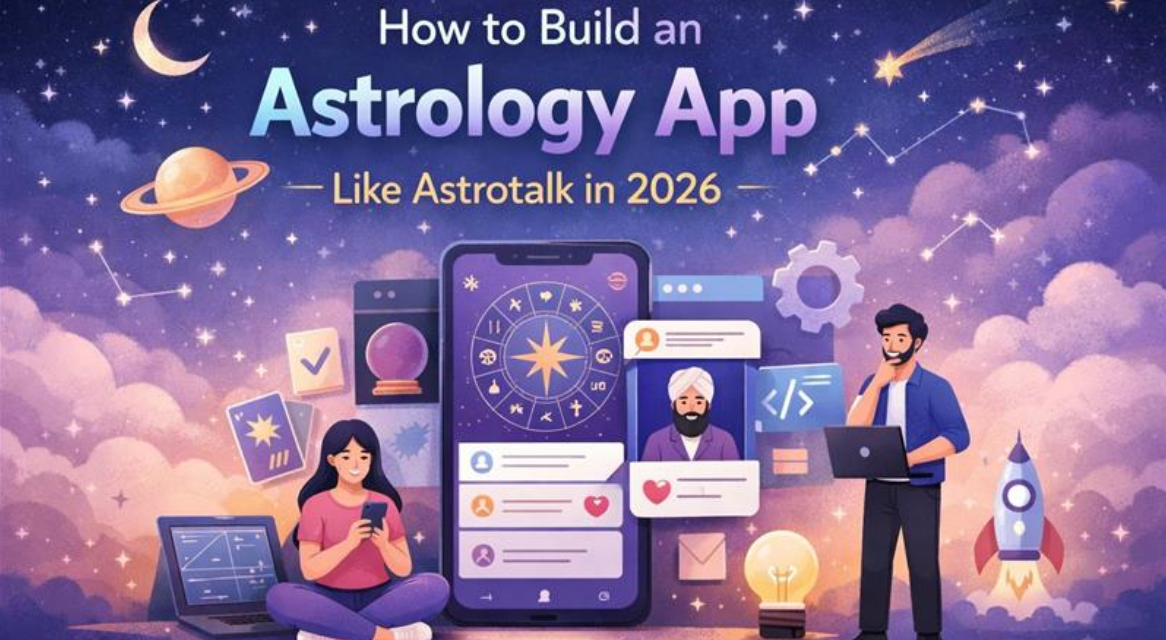
Astrology apps have moved from niche interest platforms to mainstream digital services, attracting millions of users worldwide.
In 2026, demand for personalized astrology, live consultations, and spiritual wellness tools continues to grow—particularly among mobile-first audiences.
As a result, many entrepreneurs and tech-driven businesses are exploring how to build an astrology app like Astrotalk that combines real-time interactions, expert content, and scalable technology.
For a detailed breakdown of features, development steps, and cost considerations, How to Build an Astrology App Like Astrotalk offers insight into how modern astrology platforms are structured.
Why Astrology Apps Are Growing in Popularity
Astrology apps appeal to users seeking guidance, self-discovery, and emotional reassurance in an increasingly fast-paced digital world. Unlike traditional astrology websites, modern apps provide instant access to astrologers, personalized horoscopes, and interactive features.
In 2026, growth is driven by:
- Increased acceptance of digital wellness platforms
- Subscription-based content consumption
- Rising demand for personalized experiences
- Integration of AI and data-driven astrology tools
This shift has transformed astrology apps into sophisticated digital products rather than simple horoscope readers.
Understanding the Astrotalk-Style Business Model
To build an astrology app like Astrotalk, it is essential to understand its core business model. Most successful platforms operate on a multi-revenue framework, allowing flexibility and scalability.
Common monetization methods include:
- Pay-per-minute live consultations
- Subscription plans for daily or weekly insights
- In-app purchases for reports and remedies
- Commission-based earnings from astrologers
This diversified approach helps balance user affordability with platform profitability.
Core Features Required in 2026
Astrology apps in 2026 are feature-rich and user-centric. A competitive platform typically includes:
User Features
- Personalized birth chart generation
- Daily, weekly, and monthly horoscopes
- Live chat, audio, or video consultations
- Secure payments and wallet systems
- Notifications and reminders
Astrologer Panel
- Profile and availability management
- Earnings tracking
- Session history and ratings
Admin Dashboard
- User and astrologer management
- Commission and payout controls
- Content moderation
- Analytics and performance reporting
Together, these components create a complete ecosystem rather than a single-purpose application.
Technology Stack and Scalability
In 2026, astrology apps rely on cloud-based, API-driven architectures to support real-time communication and high user volumes. Key technology considerations include:
- Scalable cloud infrastructure
- Secure payment gateway integration
- Real-time chat and video APIs
- Data encryption and privacy compliance
- AI-driven recommendation engines
As user bases grow, scalable backend systems ensure uninterrupted service during peak usage periods, such as festivals or major astrological events.
Market Outlook for Astrology Apps
The global astrology and spiritual wellness app market is expected to maintain steady growth over the next five years. Analysts point to rising mobile adoption, increased willingness to pay for digital guidance, and expansion into international markets as key drivers.
By the early 2030s, astrology apps are expected to represent a significant segment of the broader digital wellness economy, alongside meditation, mental health, and lifestyle platforms. Apps that focus on trust, personalization, and performance are best positioned to succeed.
Choosing the Right Development Partner
Building a scalable astrology app requires expertise in mobile app development, UI/UX design, backend systems, payment security, and ongoing maintenance. This is why many businesses partner with experienced development companies rather than building entirely in-house.
When selecting a partner, organizations often evaluate technical capability, industry experience, scalability planning, and long-term support. In this context, companies such as Amarin InfoTech are frequently referenced in discussions around modern app development due to their work across digital platforms and emerging technologies. For businesses researching a best software development company in New York in 2026, firms with strong global delivery models and scalable architectures are increasingly preferred.
Final Thoughts
In 2026, building an astrology app like Astrotalk is not just about replicating features—it is about creating a trusted, scalable, and user-focused digital experience.
Platforms that combine personalized content, real-time interaction, and robust technology are more likely to gain long-term user loyalty.
For entrepreneurs and businesses entering this space, understanding the technology, monetization strategies, and market trends behind astrology apps can help transform an idea into a sustainable digital product.